

Outdoor environments are unforgiving. Prolonged UV exposure, heavy rainfall, temperature fluctuations, wind load, abrasion, and microbial growth all accelerate material degradation. Selecting the right outdoor fabric is therefore not simply a matter of appearance or cost—it is an engineering decision that directly affects durability, safety, and lifecycle value.
In this article, I will compare PVC-coated fabric with traditional fabrics (such as cotton canvas, polyester, and nylon) from a technical and performance perspective, helping buyers, engineers, and project managers make informed decisions.
Material Composition: Polymer-Coated Substrates vs. Natural Fiber Structures
The fundamental difference between PVC coated fabric and traditional fabric lies in their structural architecture.
PVC Coated Fabric Structure
PVC coated fabric typically consists of:
• A high-strength base fabric (often polyester or nylon)
• A polyvinyl chloride (PVC) coating layer
• Plasticizers, stabilizers, UV inhibitors, and flame-retardant additives
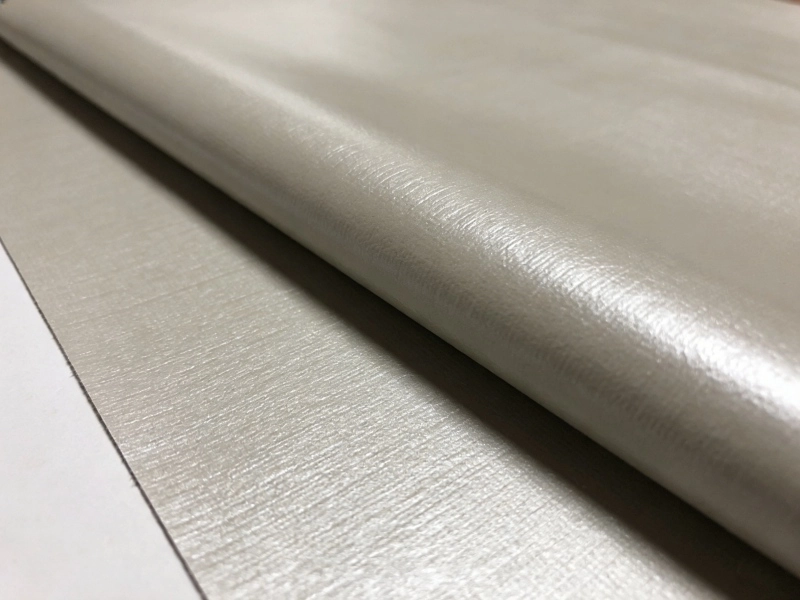
The base fabric provides tensile strength and dimensional stability, while the PVC coating forms a continuous, impermeable barrier. The coating is applied using processes such as knife coating, calendaring, or lamination, ensuring uniform thickness and strong adhesion.
This composite construction gives PVC tarpaulin and industrial coated fabrics:
• High tensile strength
• Excellent tear resistance
• Full waterproof performance
• Chemical and abrasion resistance
Traditional Fabric Structure
Traditional outdoor fabrics include:
• Cotton canvas
• Woven polyester
• Nylon fabric
• Blended textiles
These materials rely primarily on woven fiber structures. Water resistance, if required, is usually achieved through surface treatments such as polyurethane coating or DWR (Durable Water Repellent) finishes. However, these treatments do not create a fully impermeable barrier.
Key structural distinction:
• PVC coated fabric = barrier system
• Traditional fabric = permeable fiber network
This difference defines their behavior in real outdoor conditions.
UV Resistance and Weathering Behavior Over Time
UV radiation is one of the most destructive environmental factors for outdoor materials.
PVC Coated Fabric Under UV Exposure
High-quality PVC coated fabric incorporates:
• UV stabilizers
• Heat stabilizers
• Anti-oxidation additives
These additives slow polymer chain degradation and reduce brittleness. In properly formulated PVC tarpaulin, UV resistance can sustain several years of direct sunlight exposure without significant cracking or strength loss.
For applications such as:
• Truck covers
• Awnings
• Membrane structures
• Industrial shelters
UV stability is critical for maintaining structural integrity.
Traditional Fabric Under UV Exposure
Natural fibers like cotton degrade rapidly under UV radiation. Even synthetic fibers such as nylon experience:
• Fiber embrittlement
• Color fading
• Strength reduction
Polyester performs better than cotton in UV resistance, but without a protective coating, long-term weathering still leads to performance decline.
In comparative outdoor durability tests, PVC coated fabric generally demonstrates:
• Lower tensile strength loss over time
• Better color retention
• Reduced surface erosion
For long-term outdoor installations, PVC coated fabric typically outperforms untreated or lightly treated traditional textiles.
Waterproofing Mechanisms: Impermeable PVC Film vs. Water-Resistant Treatment
Water performance is often misunderstood. “Water-resistant” is not equivalent to “waterproof.”
PVC Coated Fabric: Fully Waterproof System
The PVC layer forms a continuous, non-porous film. This provides:
• High hydrostatic pressure resistance
• Zero water penetration
• Airtight sealing capability
Hydrostatic head ratings of PVC coated fabric can reach thousands of millimeters, making it suitable for:
• Heavy-duty tarpaulins
• Inflatable structures
• Boat covers
• Industrial curtains
Additionally, PVC fabric supports high-frequency welding, creating seamless joints that maintain waterproof integrity.
Traditional Fabric: Water-Resistant but Not Impermeable
Traditional fabrics depend on:
• Tight weaving
• Surface chemical treatments
Over time, DWR coatings wear off due to abrasion and washing. Once degraded, water penetrates the fiber network.
Even coated polyester or PU-coated fabric may experience:
• Coating delamination
• Seam leakage (stitched seams are vulnerable points)
For applications exposed to continuous rain or pooling water, traditional fabric rarely matches the waterproof reliability of PVC coated fabric.
Service Life Expectancy and Long-Term Cost Efficiency
Initial purchase price is only one component of total cost. Service life and maintenance frequency must be evaluated.
PVC Coated Fabric Lifecycle
• High-quality PVC coated tarpaulin can offer:
• 5–15 years of service life (depending on thickness and environment)
• Resistance to mold and mildew
• Easy cleaning with water or mild detergents
Because the surface is non-absorbent, it does not retain moisture, reducing microbial growth.
Although the upfront cost may be higher than standard textile fabric, reduced replacement frequency often results in better long-term cost efficiency.
Traditional Fabric Lifecycle
Traditional outdoor fabrics may:
• Absorb moisture
• Support mold growth
• Require re-treatment for water repellency
Cotton canvas, in particular, requires maintenance and may shrink or weaken over time.
For temporary or lightweight recreational use, traditional fabrics may be cost-effective. However, in commercial or industrial outdoor environments, lifecycle costs can increase due to frequent replacement.
Application-Based Selection: Which Fabric Fits Your Outdoor Project?
Selecting between PVC coated fabric and traditional fabric depends on performance requirements, regulatory standards, and intended use.
Best Applications for PVC Coated Fabric
• Heavy-duty tarpaulins
• Truck and trailer covers
• Industrial tents and warehouses
• Membrane structures
• Inflatable products
• Outdoor advertising banners
• Marine covers
These applications require:
• Waterproof integrity
• High tensile strength
• UV resistance
• Weldable seams
• Long service life
PVC coated polyester fabric is particularly dominant in these sectors.
Best Applications for Traditional Fabric
• Camping tents (lightweight models)
• Outdoor apparel
• Decorative awnings
• Short-term shading solutions
• Breathable coverings
When breathability, softness, and comfort are priorities over industrial durability, traditional woven fabric may be more appropriate.
Final Considerations: Engineering Decision, Not Just Material Choice
PVC coated fabric and traditional outdoor fabric serve different performance categories.
If the priority is:
• Waterproof reliability
• Structural durability
• Long-term outdoor exposure
• Industrial-grade performance
PVC coated fabric is generally the superior choice.
If the priority is:
• Breathability
• Lightweight portability
• Natural texture
• Short-term or recreational use
Traditional fabric remains relevant.
In outdoor applications, environmental stress accumulates continuously. Choosing the correct outdoor fabric material at the beginning prevents structural failure, premature degradation, and unnecessary lifecycle costs.
Material selection should therefore be guided by performance specifications—not by appearance alone.


